Arizona’s extreme weather can take a toll on residential roofs, especially when underlayment begins to deteriorate. From intense summer heat to seasonal monsoon storms, roofing problems are common throughout Arizona homes. While some damage is easy to spot, other issues develop beneath the surface. Understanding these warning signs can help homeowners prevent expensive repairs and protect their properties year-round.
Why Underlayment Matters for Arizona Roofs
A roof does more than provide shade and protect against rain. It also helps maintain indoor comfort and protects the structure beneath it.
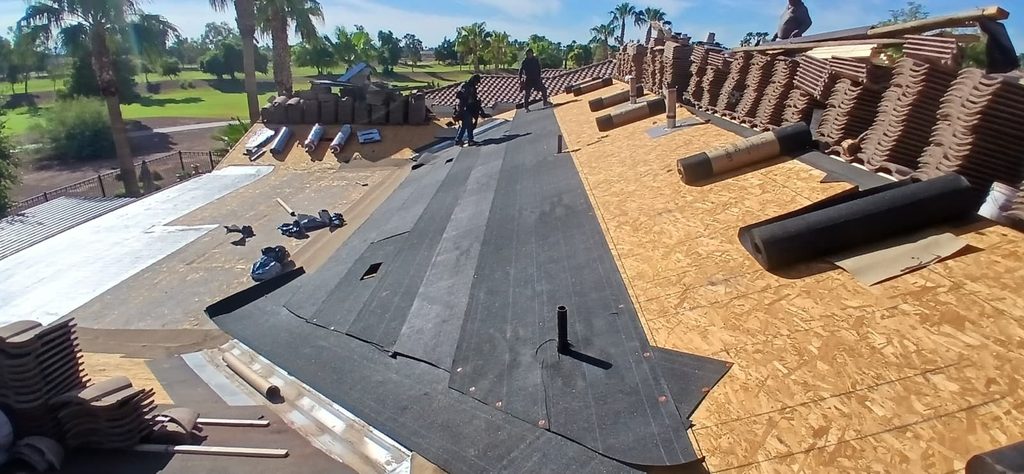
One important component is the protective layer installed underneath roofing materials.
This barrier provides additional protection against moisture, particularly when water gets beneath tiles or shingles.
In Phoenix, where temperatures regularly exceed 100 degrees during summer, roofing materials experience significant stress.
Over time, heat exposure and natural aging can weaken protective components.
Even when roof tiles appear perfectly fine, the materials underneath may need attention.
1. Underlayment Deterioration on Tile Roofs
Tile roofs are popular throughout Phoenix, Scottsdale, Mesa, and surrounding communities.
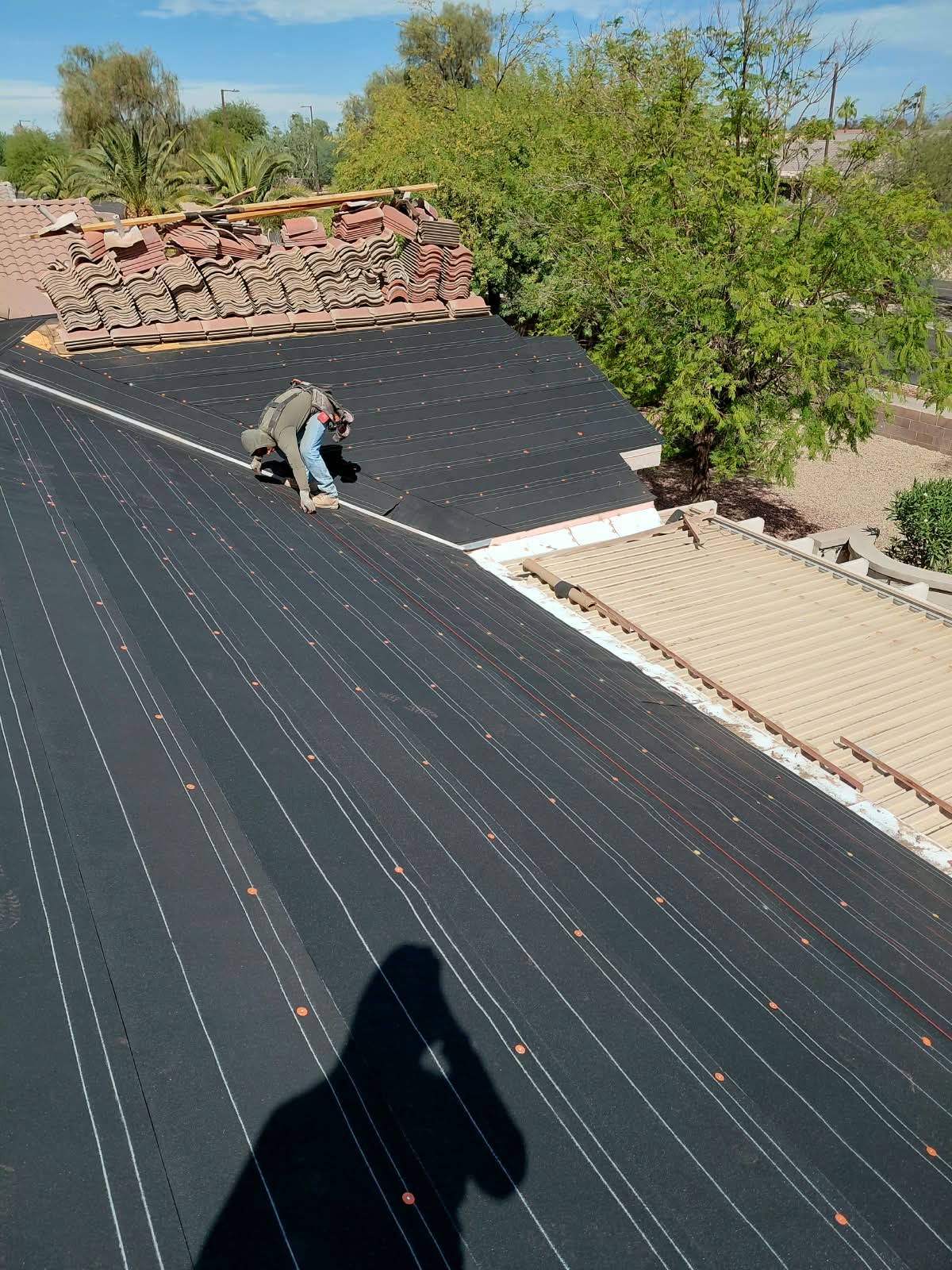
Although concrete and clay tiles can last for decades, the protective materials beneath them generally have shorter lifespans.
Prolonged exposure to Arizona’s climate can cause these materials to become brittle, crack, or lose effectiveness.
Eventually, moisture may reach the roof decking and surrounding structural components.
Homeowners sometimes assume their roof is in excellent condition because the tiles look undamaged.
However, the real issue may be hidden underneath.
Common warning signs include:
- Water stains appearing on ceilings
- Leaks following heavy rainfall
- Moisture around roof penetrations
- Aging or damaged roofing materials
A professional evaluation can determine whether localized repairs or a larger replacement project is necessary.
2. Cracked, Broken, or Slipping Roof Tiles
Arizona’s intense sunshine creates constant temperature changes across roofing surfaces.
During the day, materials absorb heat and expand.
As temperatures drop overnight, those same materials contract.
This repeated movement can contribute to deterioration, especially when tiles are already weakened.
Additionally, strong monsoon winds and falling debris may damage individual tiles.
Broken or displaced tiles expose vulnerable areas to sunlight and moisture.
Although one damaged tile might seem insignificant, ignoring it can create bigger problems.
Replacing damaged tiles promptly helps maintain the roof’s protective system.
3. Shingle Damage From Extreme Heat
Asphalt shingles are another common roofing material throughout the Valley.
Unfortunately, Arizona’s summer temperatures can accelerate their aging process.
Extended heat exposure may cause shingles to dry out, curl, crack, or lose protective granules.
These granules help protect the asphalt beneath from ultraviolet radiation.
Once significant granule loss occurs, shingles become more vulnerable to further deterioration.
Homeowners in Glendale, Peoria, and Surprise should watch for curling edges or visibly worn sections.
If shingles begin lifting or separating, wind-driven rain can potentially reach the roof decking.
Early repairs may prevent additional damage and extend the roof’s usable life.
4. Roof Leaks During Monsoon Season
Monsoon storms bring heavy rainfall, strong winds, and blowing debris across the Phoenix metropolitan area.
Even roofs that appear structurally sound may develop leaks during intense storms.
Water often enters through vulnerable areas rather than the main roofing surface.
Common trouble spots include flashing, valleys, vents, and roof penetrations.
Flashing is installed around openings and transitions to help direct water away from vulnerable areas.
When flashing becomes loose, corroded, or improperly sealed, moisture can enter.
Furthermore, wind-driven rain may expose weaknesses that remain unnoticed during lighter storms.
After significant rainfall, homeowners should check ceilings and attic spaces for visible moisture.
A small stain could indicate a problem requiring professional attention.
5. Poor Roof Drainage and Debris Buildup
Arizona may be known for its dry climate, but proper roof drainage remains essential.
Leaves, branches, dirt, and other debris can accumulate in valleys, gutters, and drainage openings.
During heavy rainfall, these obstructions prevent water from flowing away efficiently.
Standing water is particularly concerning on flat and low-slope roofing systems.
If drainage problems continue, moisture may penetrate weakened seams or other vulnerable areas.
Commercial buildings commonly experience these issues, but residential properties are not immune.
Regular debris removal helps reduce unnecessary stress on roofing systems.
However, homeowners should avoid walking on fragile roofing materials or attempting unsafe rooftop cleaning.
6. Flat Roof Coating and Membrane Problems
Many Southwestern homes feature flat or low-slope roof designs.
These roofing systems require specialized materials to manage moisture and prolonged sun exposure.
Over time, protective coatings may crack, blister, peel, or wear away.
Likewise, roofing membranes can develop damaged seams or punctures.
When these issues go unnoticed, water intrusion becomes increasingly likely.
Ponding water may also indicate inadequate drainage or changes in the roof’s surface.
Routine maintenance can help identify damaged areas before more extensive repairs become necessary.
7. Poor Installation and Previous Repairs
Not every roofing issue results directly from Arizona’s weather.
Improper installation, incompatible materials, and temporary repairs can create lasting problems.
For example, incorrectly installed flashing may allow water behind otherwise functional roofing materials.
Similarly, poorly secured tiles or shingles may become vulnerable during strong winds.
Previous repairs should be evaluated when recurring leaks appear in the same location.
Addressing the underlying cause is usually more effective than repeatedly applying temporary sealants.
How Can Arizona Homeowners Prevent Roofing Problems?
Preventive maintenance is one of the most practical ways to protect a residential roof.
Homeowners should visually check their roofs after major storms and watch for unusual changes.
Scheduling professional evaluations can also help identify hidden deterioration.
Desert Sands Contracting works with homeowners throughout Phoenix, Surprise, Peoria, Glendale, Scottsdale, Mesa, and nearby communities.
Our team helps identify roofing concerns and recommend appropriate solutions based on the roof’s condition.
Whether you’re dealing with damaged tiles, aging materials, or recurring leaks, understanding the problem is the first step.
Concerned about your roof? Contact Desert Sands Contracting to schedule a professional roof inspection and discuss your repair or replacement options.