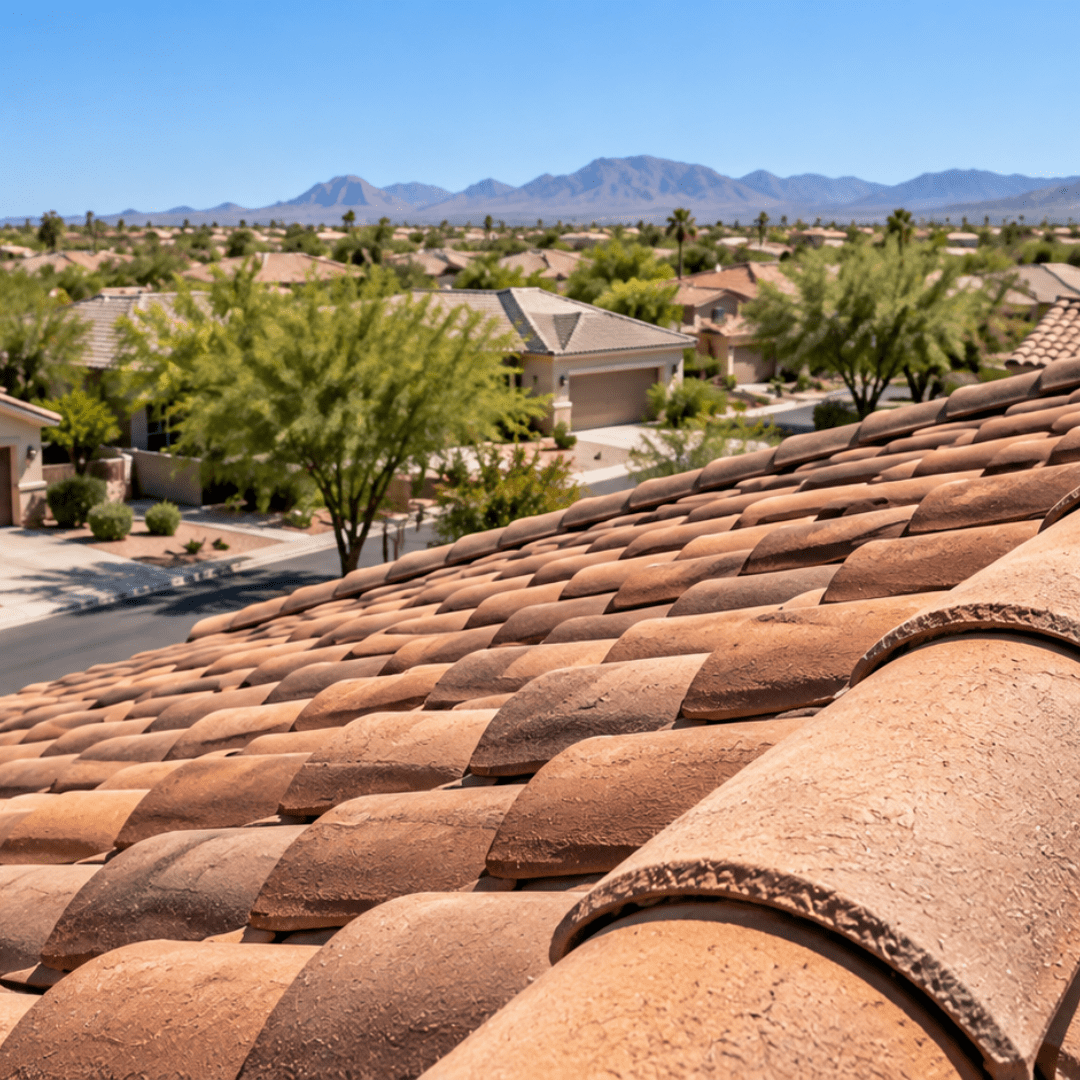
A tile roof can look perfectly fine from the ground while still allowing water into your home. A hidden roof leak does not always mean the visible tiles have failed. In many Arizona homes, the real problem develops underneath them. Depending on the damage, repairs may solve the issue without requiring a complete roof replacement. Understanding what is below your tiles can help you catch problems before interior damage gets worse.
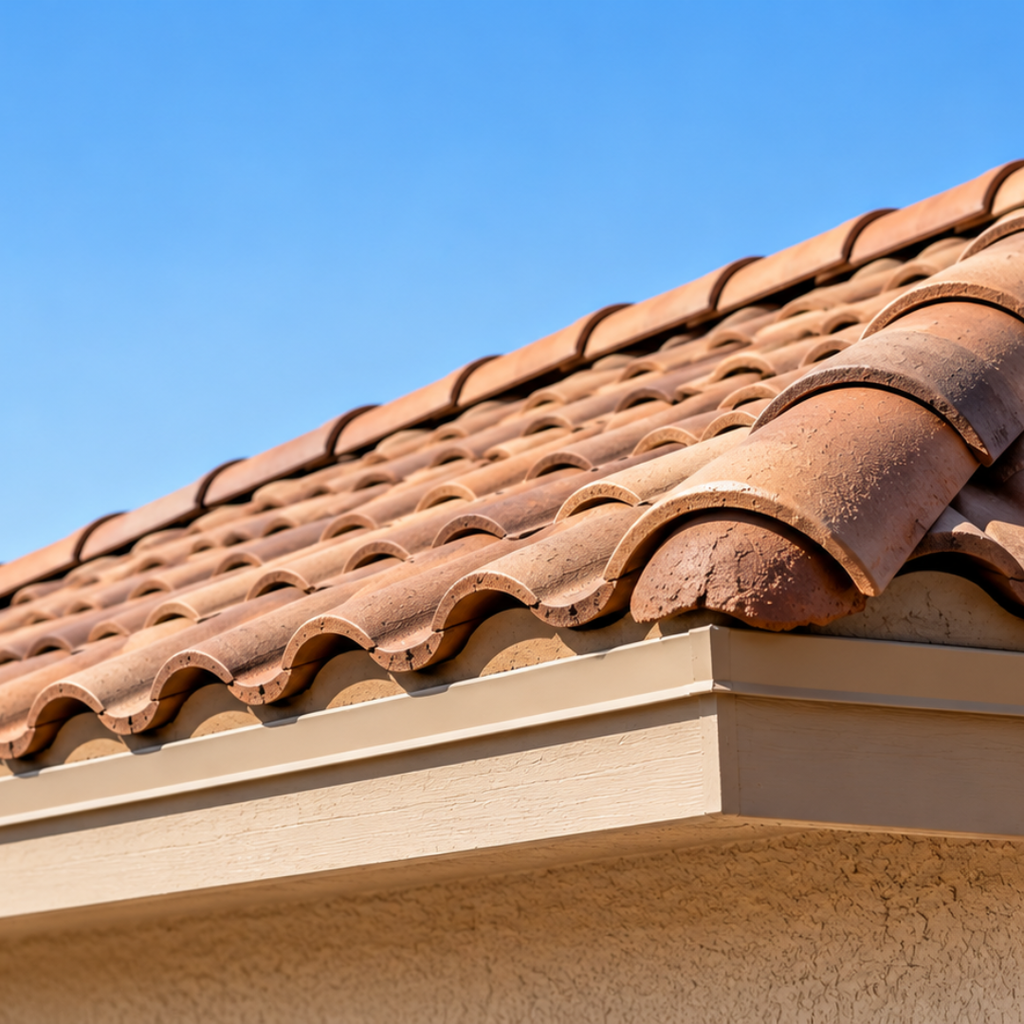
Why Can a Tile Roof Leak When the Tiles Look Fine?
The short answer is simple: roof tiles are only one part of the roofing system.
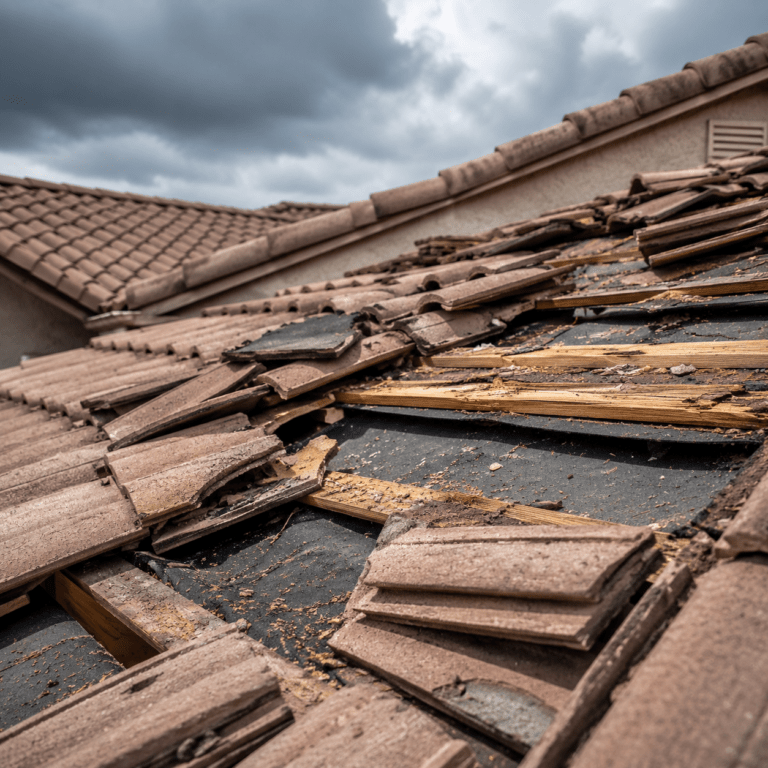
Tile provides a durable exterior layer, but it is not the only material protecting your home from water. Underneath the tiles are underlayment, flashing, fasteners, and other components.
These hidden materials can deteriorate even while the tiles above them remain intact.
That is especially important in Arizona. Our roofs are exposed to intense sunlight, extreme summer temperatures, wind, dust, and monsoon storms.
Over time, those conditions can affect materials beneath the surface.
The Underlayment Beneath Your Tile Roof Matters
Underlayment is installed between the roof deck and the tiles. It provides another important barrier against moisture entering your home.
However, underlayment does not necessarily last as long as the tiles themselves.
Arizona’s intense heat can gradually dry and weaken roofing materials. As the underlayment ages, cracks, brittle areas, or openings may develop.
Once that protective layer is compromised, rainwater can find its way beneath the roofing system.
The tiles may still look beautiful from the street. Meanwhile, the material underneath could already need attention.
This is one reason an inspection should involve more than checking for broken tiles.
Flashing Can Be the Source of a Roof Leak
Flashing protects vulnerable areas where different roofing surfaces or structures meet.
You will commonly find flashing around chimneys, vents, skylights, roof valleys, and other penetrations.
If flashing becomes loose, damaged, or improperly sealed, water can enter around those areas. The surrounding tiles may show no obvious damage.
Monsoon winds can make existing flashing problems worse. In addition, repeated heating and cooling may gradually affect seals around roof penetrations.
Water can then travel beneath the roofing materials before becoming visible indoors.
As a result, the ceiling stain you notice may not be directly below the original leak.
Cracked Tiles Are Not Always Easy to See
Sometimes a damaged tile really is responsible for the problem. However, cracks can be difficult to identify without a closer inspection.
Small fractures may not be visible from the ground.
Tiles can also become damaged when people walk across the roof incorrectly. Falling debris, maintenance work, and severe weather can cause additional problems.
Even a small opening may allow water to reach the materials underneath.
Additionally, a tile might shift rather than completely break. That movement can expose an area that should remain protected.
This is why walking around your property and simply looking upward cannot reveal every roofing issue.
Roof Valleys Can Create Hidden Problems
Roof valleys handle a significant amount of water during storms.
When rain falls, water from multiple sections of the roof may be directed toward these channels. Therefore, valleys need to remain clear and properly protected.
Leaves, dirt, and other debris can accumulate in these areas.
During an Arizona monsoon, that buildup may interfere with normal drainage. Water can then move beneath surrounding materials or reach weakened underlayment.
Valley problems are particularly important because they may allow substantial amounts of water into the roofing system.
Routine inspections can help identify drainage concerns before the next major storm arrives.
Tile Roof Problems Can Start Around Roof Penetrations
Anything that passes through your roof creates an area that requires additional protection.
Plumbing vents, HVAC components, exhaust vents, skylights, and other penetrations are common examples.
Sealants and flashing around these areas can deteriorate over time.
Arizona heat can be especially tough on exposed sealants. Eventually, small gaps may form around components that once appeared completely sealed.
Water only needs a small opening to enter.
Consequently, you should examine these areas whenever you suspect a leak.
Why Arizona Weather Is Tough on Roofing Systems
Surprise homeowners deal with conditions that can accelerate normal roof aging.
Summer temperatures routinely place roofing materials under intense heat. Then monsoon season can introduce heavy rain, strong winds, and blowing debris.
These weather changes create repeated stress on the roofing system.
Homes in Peoria, Glendale, Buckeye, Goodyear, and surrounding West Valley communities face similar conditions.
Tile performs very well in Arizona, but no roofing system is maintenance-free.
Periodic inspections can help identify worn materials before they turn into larger problems.
Does a Leaking Tile Roof Need Roof Replacement?
Not necessarily.
A leak does not automatically mean the entire roofing system needs to be replaced.
Sometimes the problem is limited to flashing, a damaged section of underlayment, shifted tiles, or another repairable component.
However, the age and overall condition of the roofing system matter.
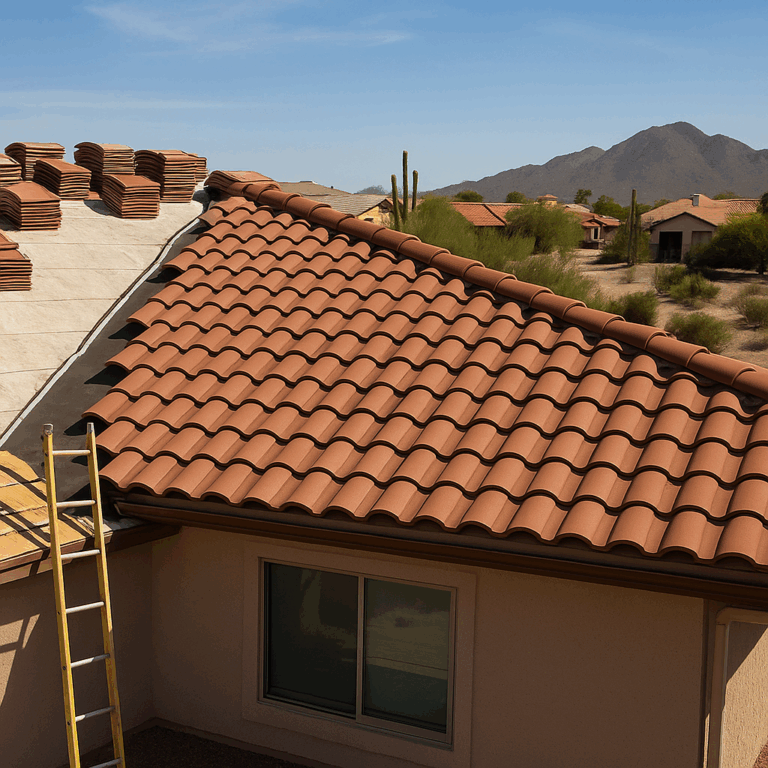
If the underlayment has deteriorated across large areas, more extensive work may be appropriate. The existing tiles can sometimes be carefully removed and reused while the materials underneath are replaced.
Every situation is different.
A professional inspection can determine where water is entering and how much of the roofing system has been affected.
Watch for Signs Inside Your Home
You do not need to see dripping water to have a roofing problem.
Water stains on ceilings or walls are obvious warning signs. However, homeowners should also watch for peeling paint, bubbling drywall, unusual odors, and unexplained discoloration.
Problems may become more noticeable after heavy rainfall.
Do not assume a small stain means a small problem. Water may have traveled through the attic or along framing before becoming visible.
Addressing the issue early can help reduce damage to insulation, drywall, and other materials.
Have Your Tile Roof Inspected Before the Next Storm
A roof can look excellent and still have problems underneath the surface.
If you notice signs of moisture, have recently experienced severe weather, or have an older roofing system, an inspection can provide valuable answers.
Desert Sands Contracting helps homeowners in Surprise and surrounding Arizona communities identify roofing problems that are not always visible from the ground.
Instead of assuming the tiles are the problem, the entire roofing system should be evaluated. That includes the underlayment, flashing, valleys, penetrations, drainage areas, and visible tile condition.
Catching a problem early may mean a straightforward repair instead of dealing with extensive water damage later.
If you suspect something is wrong with your roof, contact Desert Sands Contracting to schedule an inspection and determine what is happening beneath the surface.