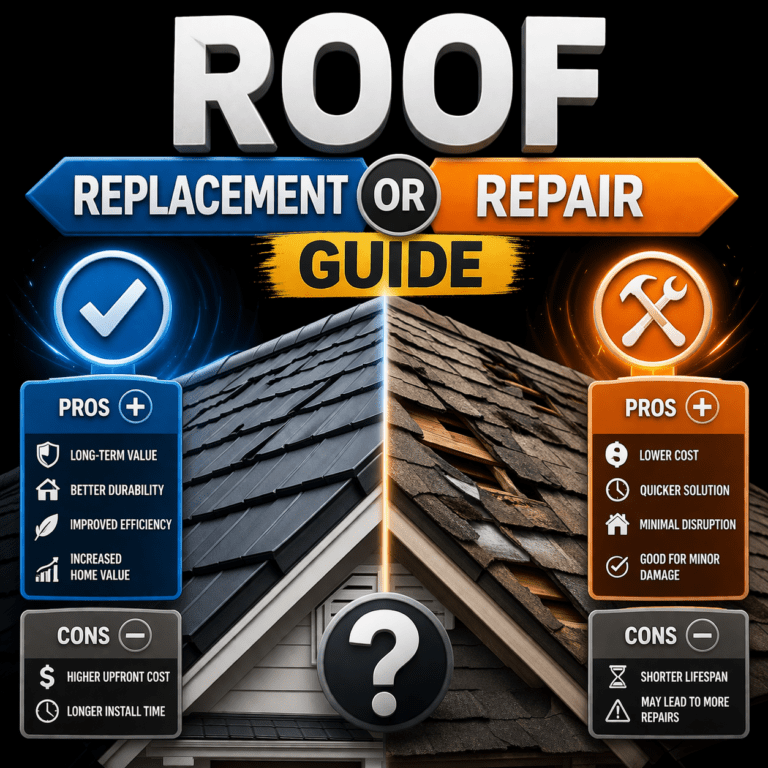
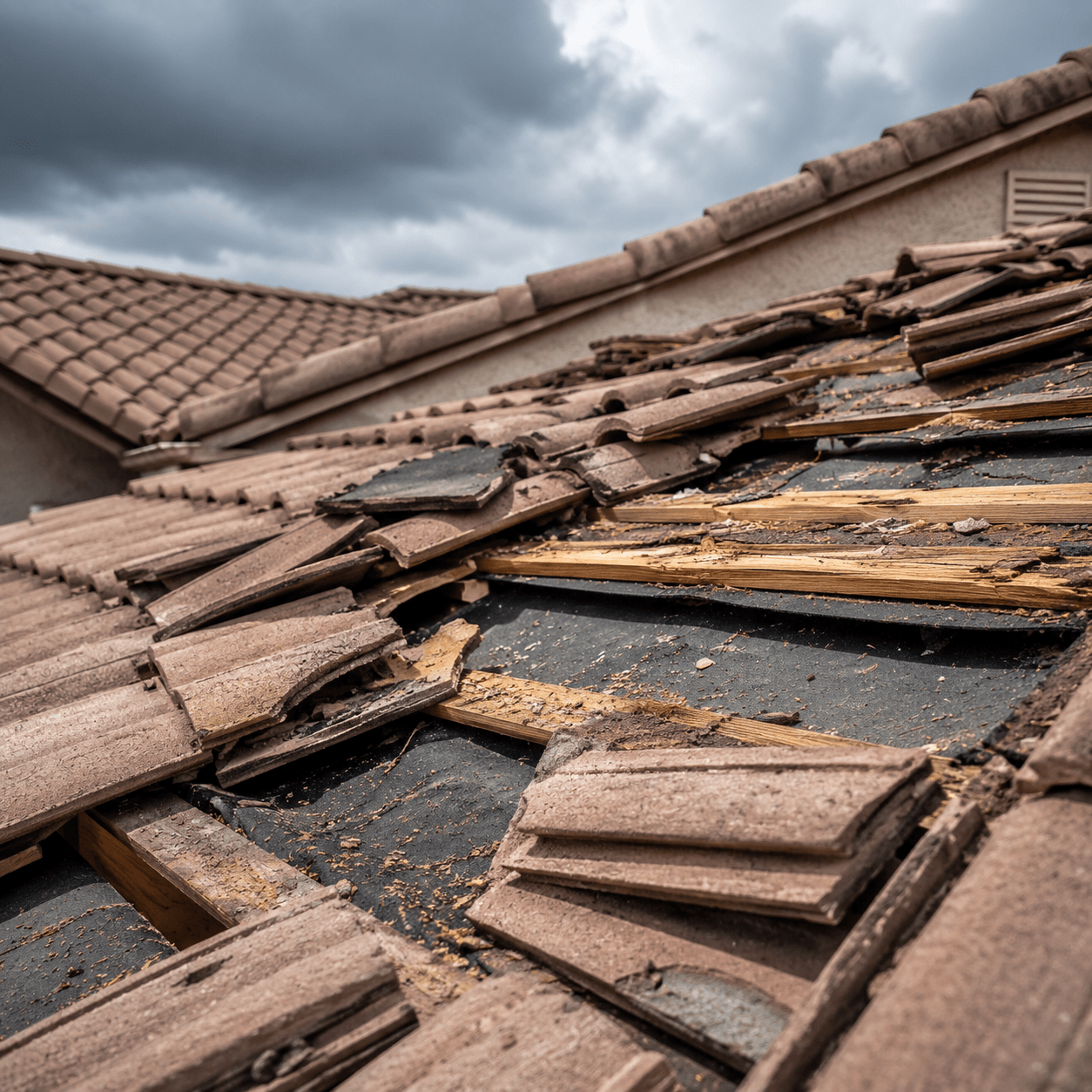
Arizona storms can leave behind roof damage that is easy to miss from the ground. Even minor storm damage can affect a roof long before water appears inside. Without timely roof repair, damaged areas may continue weakening and eventually require a larger roof replacement. For homeowners in Surprise, Arizona, acting early can help prevent a manageable roofing issue from becoming a costly problem.
How Unrepaired Roof Damage Gets Worse Over Time
Roof damage rarely stays exactly the same after a storm passes. Wind, rain, dust, debris, and intense Arizona sunlight continue affecting already weakened materials.
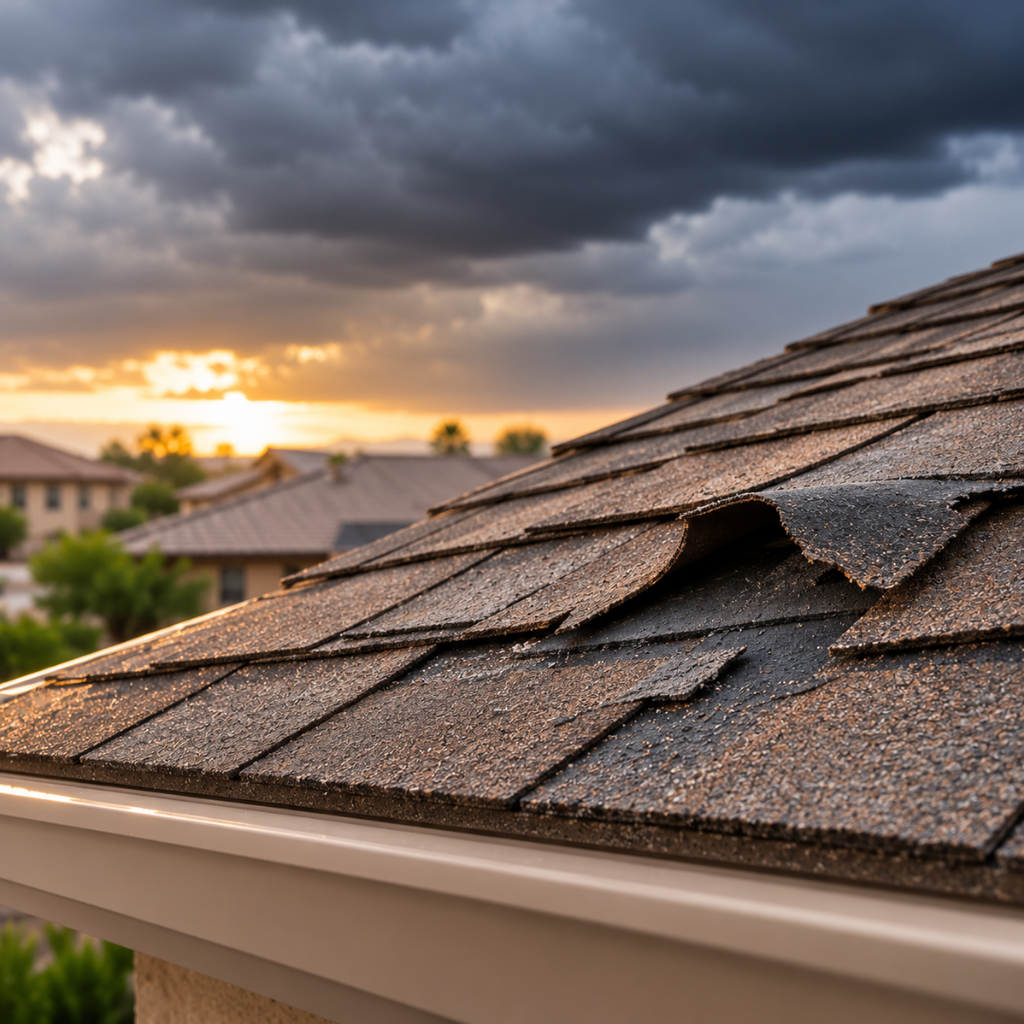
A lifted shingle, for example, may not create an immediate leak. However, its seal can be compromised, leaving the layer underneath more exposed.
Small cracks can also expand as temperatures change throughout the day. Arizona roofs regularly experience extreme surface temperatures followed by cooler evenings.
That constant movement puts additional stress on materials that were already damaged.
As a result, something that originally required a relatively simple fix may become more extensive over time.
Water Can Enter Before You Notice a Leak
One common misconception is that a damaged roof will immediately start dripping inside the home.
That is not always the case.
Water can enter beneath shingles or tiles without reaching a visible ceiling area. Moisture may travel along decking, underlayment, framing, or other building materials first.
Because of this, a homeowner might believe everything is fine while moisture is entering during each storm.
Eventually, staining may appear on ceilings or walls. By that point, the affected area could be larger than the original problem.
Early inspections help identify these hidden concerns before visible interior warning signs develop.
Roof Damage Can Affect the Decking Below
The outer roofing material is only one part of the complete roofing system.
Beneath it sits underlayment, decking, flashing, and other components designed to protect the structure. When water reaches those areas, deterioration can begin.
Wood decking may absorb moisture and gradually weaken. In some cases, sections can become so soft or damaged that they require removal.
That adds another layer of work to what might have started as a surface-level problem.
Additionally, damaged decking can complicate future roofing work. The underlying structure must be solid before new materials can be properly installed.
Addressing problems sooner can help protect those hidden components.
Insulation and Interior Materials May Be Affected
Once moisture gets beyond the roofing system, it can reach other areas of the home.
Attic insulation may become wet and lose some of its effectiveness. Drywall can develop staining, bubbling, or deterioration after repeated moisture exposure.
Meanwhile, wood framing and other materials may remain damp longer than expected.
This can create conditions where unwanted microbial growth becomes a concern. Odors and discoloration may also begin appearing in affected areas.
Instead of dealing with one roofing issue, homeowners can suddenly face several interior repairs.
That is why waiting for obvious ceiling damage is not the best strategy.
Arizona Heat Can Make Existing Problems Worse
Homeowners deal with more than seasonal rain and wind. The Valley’s extreme heat creates another challenge for compromised roofing materials.
During summer, roofing surfaces can become extremely hot.
If shingles or tiles were loosened during a storm, repeated heat exposure may accelerate deterioration. Sealants and flashing can also be placed under additional stress.
Then, monsoon winds may return and affect those same vulnerable sections again.
This cycle can continue throughout the season.
Homes in Peoria, Glendale, Sun City, Buckeye, and surrounding West Valley communities experience many of these same conditions.
A small vulnerability can therefore be tested repeatedly by Arizona weather.
Energy Efficiency May Also Suffer
A compromised roofing system can sometimes affect more than protection from rain.
When roofing materials, ventilation components, or insulation are damaged, controlling indoor temperatures may become more difficult.
That matters considerably during an Arizona summer.
Your air conditioning system already works hard when outdoor temperatures climb. Additional heat entering the attic or living space can make maintaining comfortable temperatures harder.
Higher energy bills may have several causes, and homeowners should not overlook roofing and attic conditions.
An inspection can help determine whether weather-related problems are contributing to the issue.
Delaying Repairs Can Increase the Overall Cost
Waiting does not automatically mean a complete replacement will become necessary. However, unresolved problems have more opportunities to spread.
A localized repair is generally easier to address while the affected area remains limited.
Once moisture reaches decking or additional roofing sections become loose, the scope can increase.
Labor and material requirements may increase as well.
In more advanced situations, repairing isolated sections may no longer provide the best long-term solution. A contractor may recommend replacing a larger portion of the system instead.
Getting the roof evaluated early gives homeowners more information and potentially more options.
Future Storms Can Target Already Weak Areas
Arizona’s monsoon season can bring repeated rounds of wind, dust, and heavy rain.
A roofing system that survived one storm may not handle the next one the same way.
Loose materials can become more vulnerable during strong winds. Existing openings may also allow additional water underneath protective layers.
Furthermore, debris can strike already weakened areas.
Each weather event creates another opportunity for the original problem to grow.
That makes post-storm inspections especially valuable after severe weather moves through Surprise and nearby communities.
What Should You Do After a Major Arizona Storm?
Start with a visual inspection from the ground whenever it is safe.
Look for missing shingles, displaced tiles, visible debris, damaged flashing, or roofing materials around the property. Inside, check ceilings and attic areas for new staining or moisture.
However, avoid climbing onto the structure yourself.
A professional inspection can provide a closer look at vulnerable areas and help determine the appropriate next step.
Taking photos of visible exterior or interior concerns can also be helpful for documentation.
Most importantly, do not assume that no leak means no problem.
Protect Your Home Before Minor Damage Spreads
Identifying storm-related roofing problems early helps manage them more easily.
Surprise homeowners should consider an inspection after severe wind, heavy rain, hail, or significant debris impacts. The same applies throughout Peoria, Glendale, Sun City, Buckeye, and surrounding West Valley communities.
Desert Sands Contracting can inspect your roofing system, identify affected areas, and explain the available options based on its current condition.
If a recent Arizona storm has passed through your neighborhood, schedule an inspection before the next round of weather arrives. Catching a small problem today could help prevent a much larger project tomorrow.