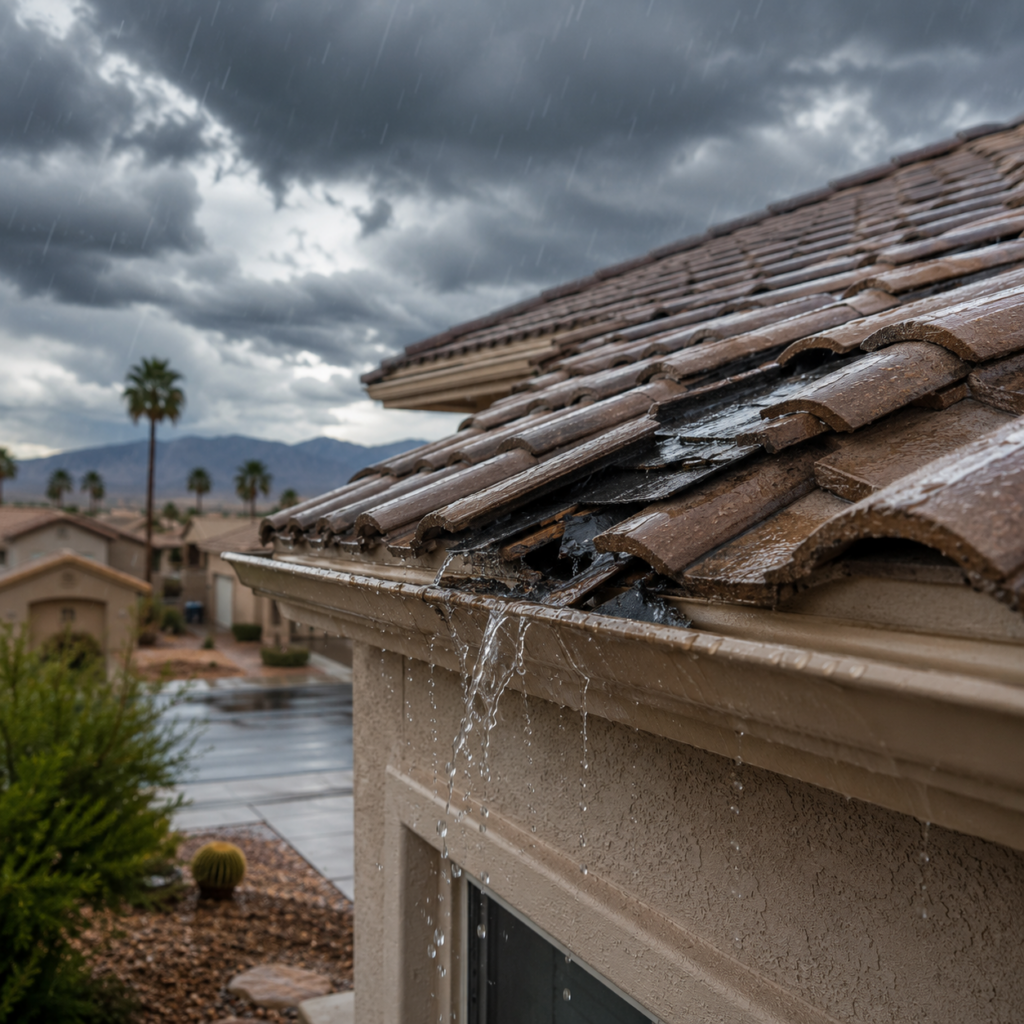
Roof leaks often appear during summer storms across Arizona. Heavy rain, strong winds, and dust can damage roofing systems quickly. In Surprise, AZ, many homeowners notice roof leaks after monsoon weather rolls through the Valley. These summer storms create pressure on shingles, flashing, underlayment, and drainage areas.
Why Roof Leaks Happen During Summer Storms
The Arizona monsoon season brings intense weather conditions. Strong wind gusts can lift roofing materials within minutes. Meanwhile, heavy rain pushes moisture into weak areas across the roof surface.
Some leaks develop suddenly. Others form over time through gradual wear. Older roofs in Surprise often struggle during severe summer weather because the materials weaken from constant heat exposure.
UV rays also play a major role. Roofing components expand daily under high temperatures. Eventually, cracking and separation can occur around vulnerable sections.
When storms arrive, water finds those openings fast.
Roof Leaks Often Start Around Flashing
Flashing protects critical roof transitions. It is installed around chimneys, vents, skylights, and valleys. However, flashing can loosen as roofs age.
Summer storms make the problem worse. High winds may shift metal pieces or break sealants apart. Once gaps appear, rainwater travels underneath roofing materials.
In Surprise neighborhoods, flashing damage is common after dust storms. Debris may strike roof edges repeatedly during high winds. Over time, that movement weakens protection around important areas.
A leak may begin small. Yet water damage inside the attic can spread quickly.
Damaged Shingles Create Easy Entry Points
Shingles are designed to repel water. Still, Arizona heat dries them out over the years. Eventually, shingles curl, crack, or become brittle.
Then summer storms arrive.
Strong wind gusts can tear shingles away completely. Missing sections expose the underlayment beneath the roof. Once moisture reaches that layer, leaks can develop rapidly.
Some homeowners never notice the damage. Water stains inside the ceiling usually appear later.
That delay often increases repair costs.
Poor Roof Drainage During Summer Storms
Flat roofs are common throughout Surprise and nearby cities. These systems require proper drainage to move water away safely.
Unfortunately, clogged drains can create standing water during storms. Leaves, dirt, and roofing debris often block drainage paths after windy weather.
When water pools on the roof surface, pressure increases. Weak seams eventually separate. Moisture then works underneath the membrane.
Even sloped roofs experience drainage problems sometimes. Gutters filled with debris force water backward beneath roofing edges.
The issue becomes especially dangerous during heavy monsoon rainfall.
Cracked Sealants Around Roof Penetrations
Every roof contains penetrations. Vent pipes, HVAC systems, and exhaust units all require openings through roofing materials.
Sealants protect those areas from water intrusion. However, Arizona temperatures break down sealants faster than many homeowners expect.
Heat exposure causes shrinking and cracking over time. Then summer storms introduce heavy moisture into those vulnerable spots.
Water may drip slowly at first. Yet hidden leaks can damage insulation, drywall, and wood framing long before visible signs appear indoors.
Routine inspections help catch these problems early.
Roof Valleys Handle Large Amounts of Water
Roof valleys direct rainwater downward during storms. Because large amounts of water move through those sections, valleys experience constant stress.
Improper installation increases leak risks significantly. Worn materials inside valleys also create weak points during summer weather.
In Surprise, sudden downpours place extra pressure on valley systems. If debris builds up there, water may flow improperly across the roof.
Eventually, moisture works beneath shingles or tile edges.
Many roof leaks begin exactly in those transition areas.
Tile Roof Movement During High Winds
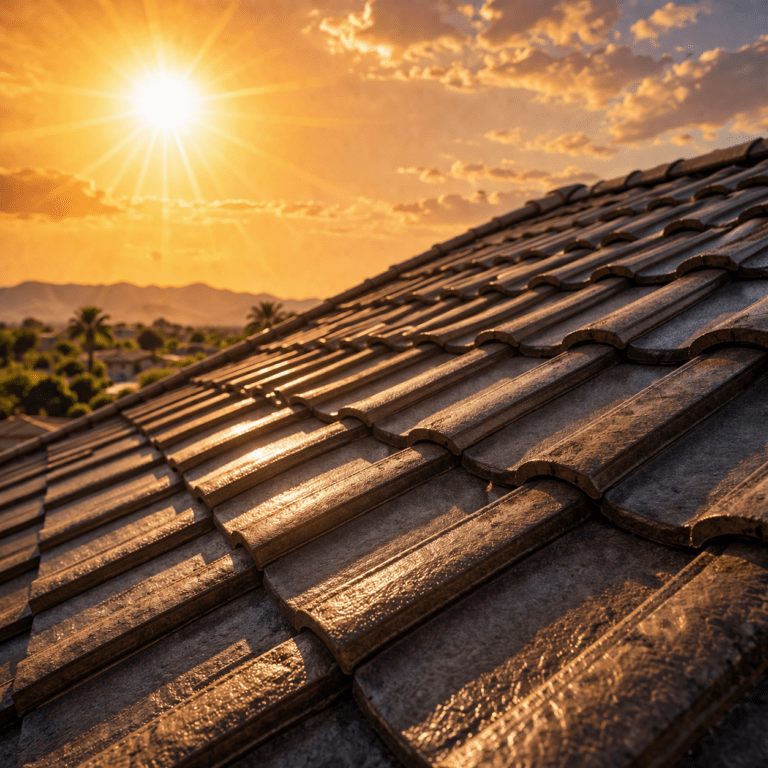
Tile roofs remain popular across Arizona communities. They handle heat well and provide strong curb appeal. Still, monsoon winds can shift roofing tiles unexpectedly.
Loose tiles allow water underneath the roofing surface. Underlayment becomes exposed once movement occurs repeatedly.
Sometimes homeowners only replace the visible broken tiles. However, hidden moisture damage may continue beneath the surface.
Professional roof inspections become important after major storms. Small shifts often go unnoticed from the ground.
Aging Roofs Struggle During Monsoon Season
Older roofing systems naturally weaken over time. Materials lose flexibility after years of heat exposure. Adhesives may fail gradually as temperatures fluctuate daily.
Then, summer storms test every vulnerable section simultaneously.
Rain enters areas that previously survived mild weather conditions. Wind lifts materials already weakened from age. Drainage systems also become less effective when roofs settle unevenly.
Homes throughout the valley often experience these issues during monsoon season.
Regular maintenance reduces the chances of severe water intrusion.
Attic Ventilation Can Affect Roof Performance
Many homeowners overlook attic ventilation entirely. However, trapped heat inside the attic impacts roofing materials above.
Excessive heat shortens roof’s lifespan significantly. Shingles age faster under constant temperature stress. Moisture may also become trapped beneath roofing components.
During summer storms, the weakened structure handles water less effectively.
Proper airflow helps roofing systems perform better throughout Arizona summers. Ventilation also supports energy efficiency inside the home.
Signs Your Roof May Already Have a Leak
Some leaks remain hidden for weeks. Others become obvious immediately after rainfall.
Common warning signs include:
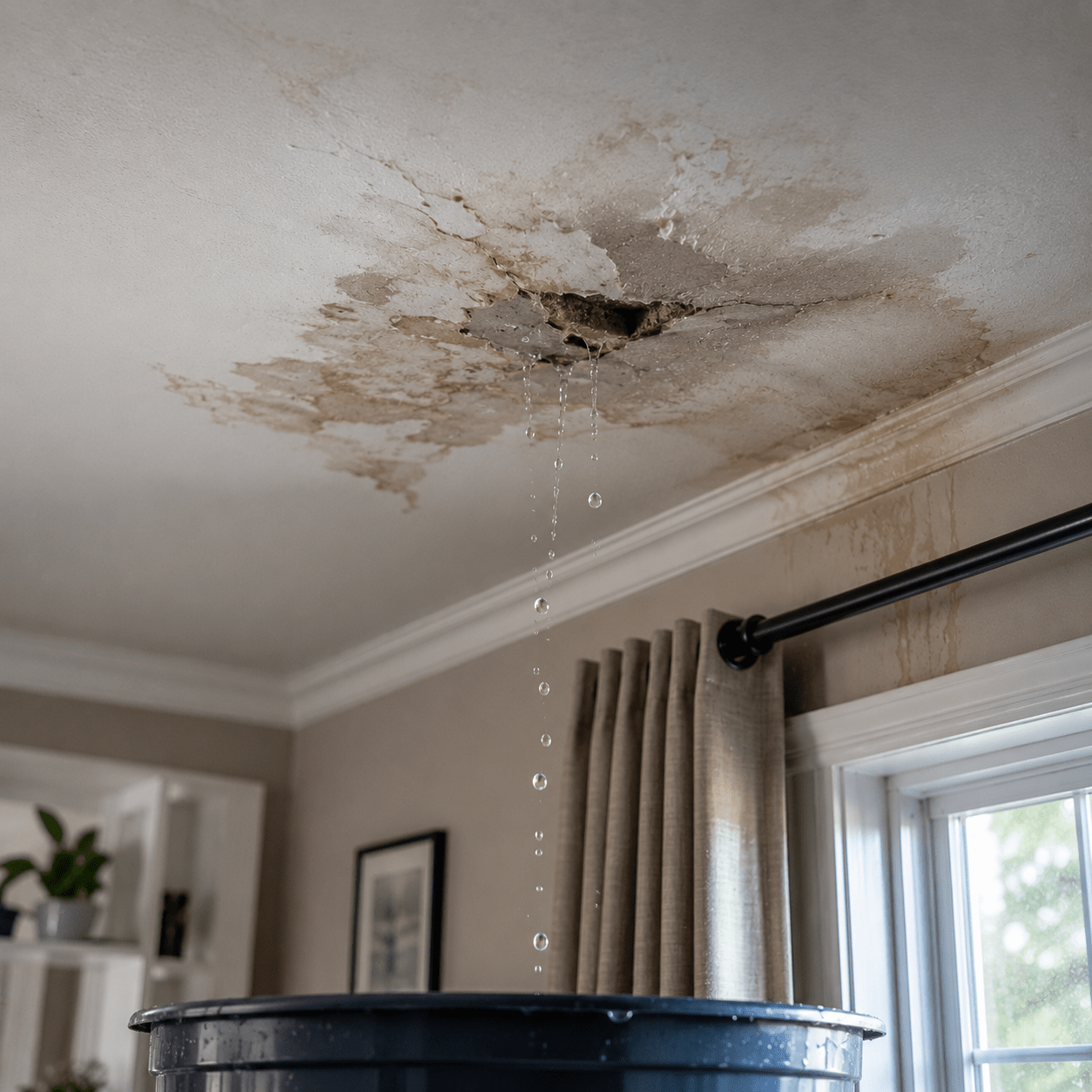
- Water stains on ceilings
- Bubbling paint or drywall
- Musty odors inside the attic
- Missing shingles or cracked tiles
- Sagging roof sections
- Dripping water near vents or fixtures
If these signs appear, quick action matters.
Waiting too long can increase structural damage.
Protecting Your Home From Roof Leaks
Preventive maintenance helps homeowners avoid expensive repairs later. Roof inspections should happen before and after monsoon season whenever possible.
Minor repairs cost far less than major water restoration projects. Replacing damaged flashing or sealants early often prevents interior damage entirely.
Tree trimming also helps reduce storm debris impacts. Additionally, keeping gutters clear improves roof drainage during heavy rainfall.
Professional inspections provide another layer of protection. Roofing experts can identify hidden weaknesses before storms create major problems.
Trust Desert Sands Roofing in Surprise, AZ
At Desert Sands Roofing, we understand how Arizona weather affects local homes. Summer storms can create serious roofing problems without warning. That is why our team helps homeowners throughout Surprise and surrounding cities stay protected year-round.
Whether your roof needs repairs, inspections, or storm damage assessments, our team is ready to help. We focus on honest recommendations, reliable workmanship, and long-term roofing solutions designed for Arizona conditions.
If you suspect roof leaks after a storm, do not wait for the damage to spread. Contact Desert Sands Roofing today to schedule a professional roof inspection in Surprise and nearby communities.