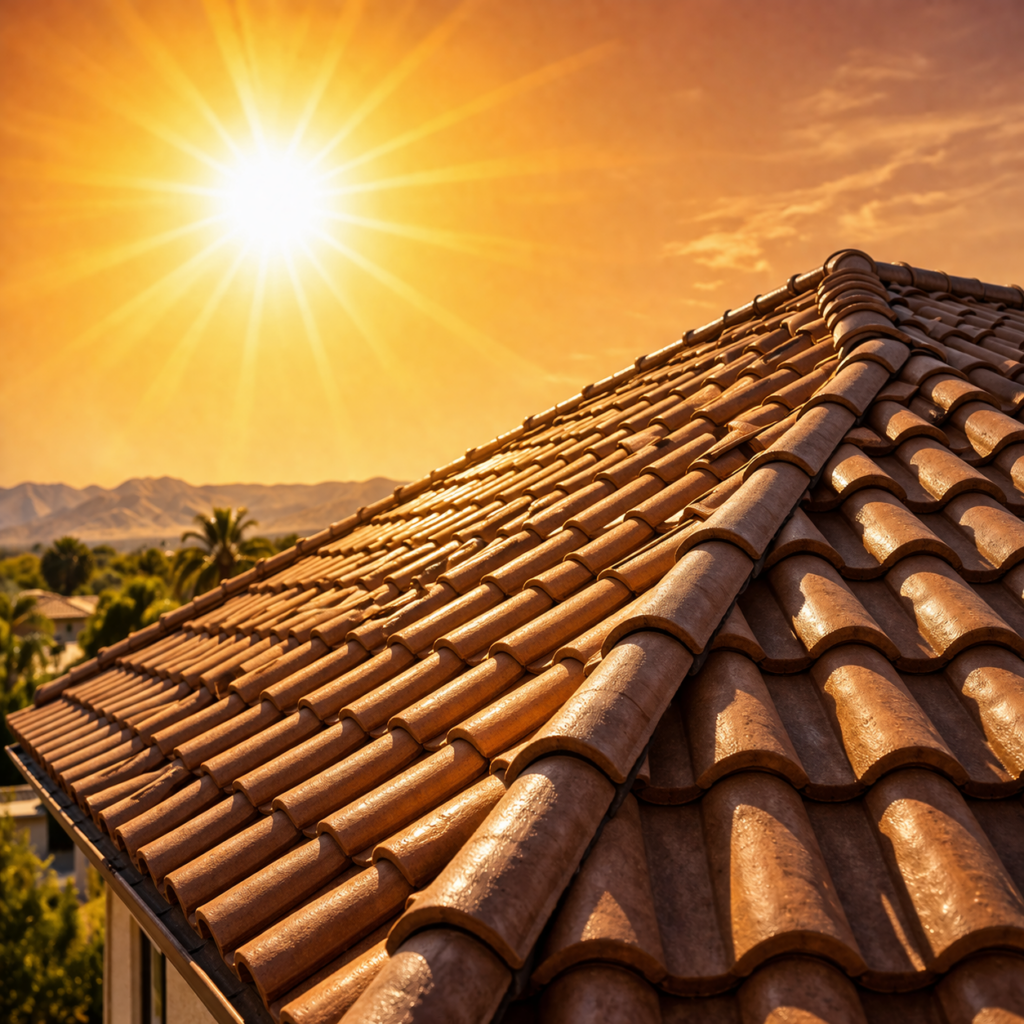
Living in Surprise means dealing with extreme heat, and your roof takes a hit daily. Many homeowners ask if prolonged sun exposure leads to a damaged roof, worn shingles, or even early roof replacement. The short answer is yes, heat plays a major role. However, the way it impacts your home depends on materials, maintenance, and timing.
At Desert Sands Roofing, we see heat-related issues every summer. Some problems develop slowly. Others appear almost overnight. Either way, understanding the risks helps you stay ahead of costly repairs.
The Science Behind Heat and Roofing Materials
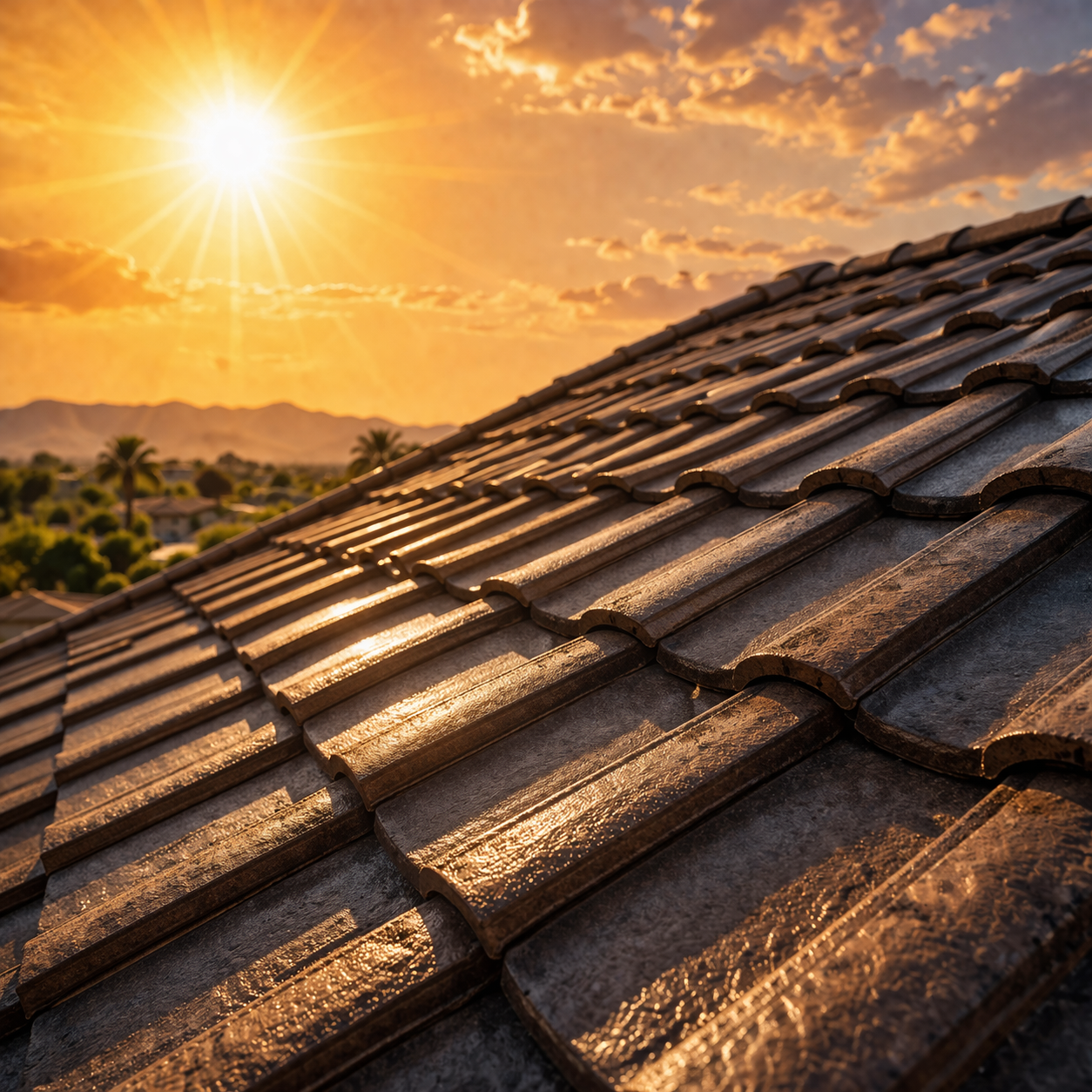
Arizona heat is not just hot. It is relentless. Temperatures often exceed 110°F for extended periods. This constant exposure causes roofing materials to expand.
Then, temperatures drop at night. Materials contract again. This daily cycle creates stress over time.
As a result, it weakens gradually. Small cracks may form. Layers begin to separate. Eventually, structural integrity can be compromised.
Different materials respond differently. For instance, asphalt shingles are especially vulnerable. On the other hand, tile handles heat better, yet still faces wear.
How Shingles Break Down Under Extreme Heat
The Shingles are designed to protect your home; however, they are not immune to extreme conditions. Consequently, it is essential to ensure they are properly maintained.
Under intense sunlight, shingles can dry out. Oils within the material begin to evaporate. This process leads to brittleness.
Once brittle, shingles crack more easily. Pieces may even break off during storms. That leaves exposure.
In addition, UV rays speed up deterioration. Color fades quickly. Granules loosen and wash away.
Without these granules, shingles lose protection. Heat penetrates deeper layers. Damage accelerates from there.
Signs Your Roof May Be Heat Damaged
You do not always need a ladder to spot problems. Many warning signs are visible from the ground.
Look for curling shingles. Edges may lift or warp. That indicates prolonged heat exposure.
Next, check for discoloration. Uneven tones suggest UV breakdown. Dark patches can signal trapped heat.
Granules in gutters are another red flag. That means your shingles are deteriorating. Protection is already reduced.
Inside your home, rising energy bills can also hint at issues. Poor insulation may stem from roof damage.
If you notice any of these signs, it is time for an inspection.
Why Arizona Homes Are More at Risk
Homes in Surprise and nearby areas face unique conditions. The desert climate amplifies heat stress.
Unlike humid regions, Arizona lacks cooling moisture. Surfaces heat up faster and stay hot longer.
Temperatures can exceed 150°F. That is far beyond what many materials are tested for.
Additionally, dust and debris add another layer of stress. They trap heat and increase surface temperatures.
Flat and low-slope roofs are especially vulnerable. Heat has fewer ways to escape. This leads to faster degradation.
Can Extreme Heat Lead to Roof Replacement?
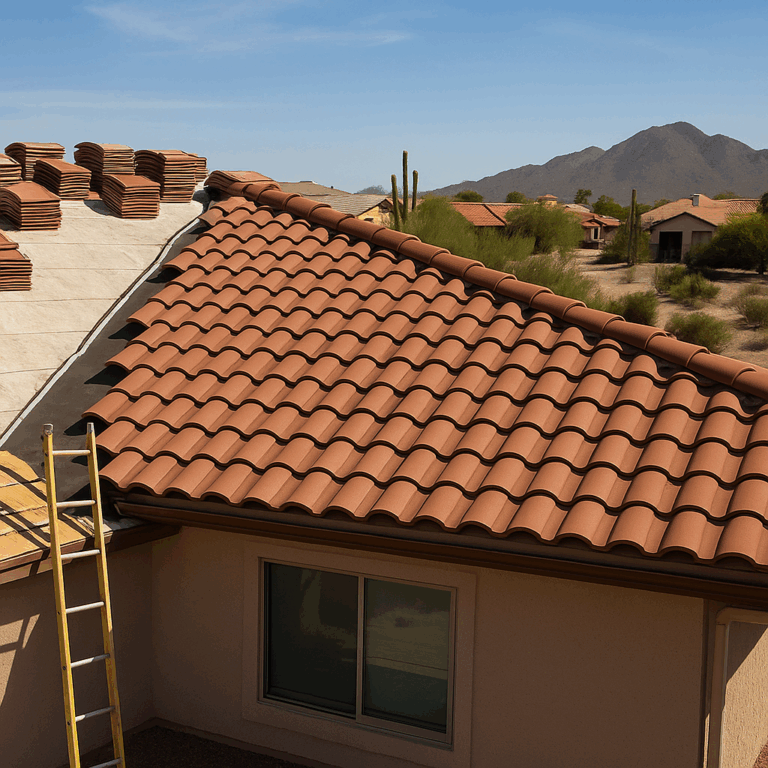
Yes, and often sooner than expected. Heat shortens the lifespan of most roofing systems.
A roof designed to last 25 years may only last 15 here. Sometimes even less without proper care.
However, a replacement is not always immediate. Early detection can extend your roof’s life.
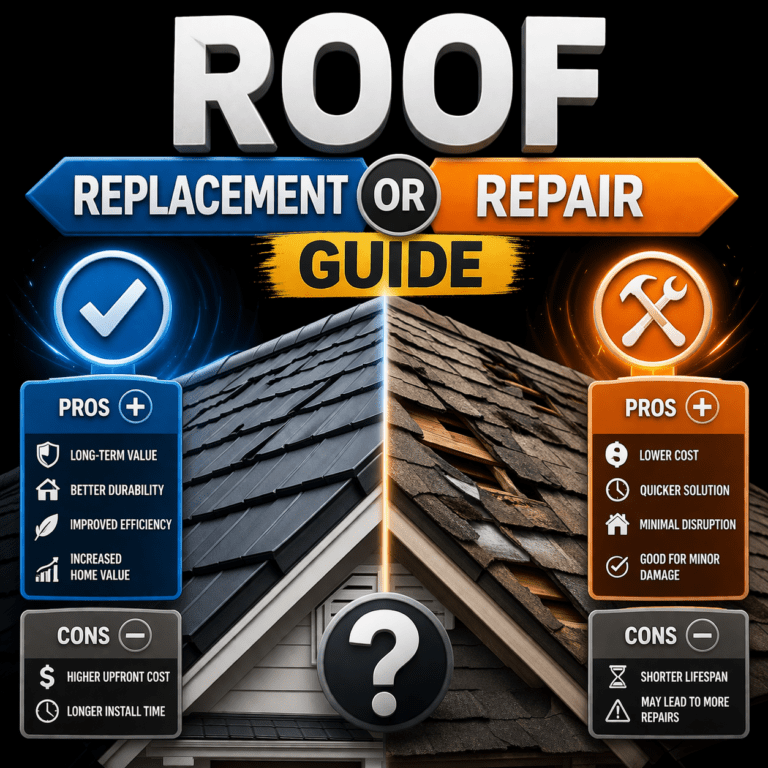
Repairs may solve minor issues. Replacing damaged sections can prevent larger failures.
Still, ignoring problems leads to bigger expenses; consequently, eventually, a full roof replacement becomes unavoidable.
Planning saves money. It also protects your home during the peak summer months.
Preventing Heat Damage Before It Starts
Prevention is always more affordable than repair. Fortunately, there are practical steps you can take.
First, schedule regular inspections. Twice a year is ideal. Spring and fall work best in Arizona.
Next, ensure proper ventilation. Heat buildup in the attic accelerates damage. Airflow reduces that risk.
Reflective coatings can also help. They bounce sunlight away. That lowers surface temperatures.
Choosing the right materials matters too. Tile and metal perform better in extreme heat. They last longer in desert climates.
Finally, keep it clean. Remove debris that traps heat. Even small changes can make a difference.
The Role of Professional Roofing Services
DIY inspections have limits. Some damage is not visible from the ground.
That is where professional help comes in. Experienced roofers know what to look for.
At Desert Sands Roofing, we assess every layer. We check shingles, underlayment, and ventilation.
We also provide honest recommendations. Not every home needs a replacement. Sometimes repairs are enough.
Our goal is to extend your roof’s life. At the same time, we ensure your home stays protected.
Timing Matters More Than You Think
Many homeowners wait until visible damage appears. Unfortunately, that is often too late.
Heat damage builds over time. By the time you see it, problems may already be widespread.
Instead, act early. Preventive care reduces long-term costs. It also avoids emergency repairs during peak heat.
Scheduling work before summer is ideal. Crews can work more efficiently. Materials perform better during installation.
Planning keeps your home ready for the hottest months.
Protecting Your Roof in Surprise, AZ
Extreme heat is a constant in Arizona. Your roof faces it every single day.
While damage is inevitable over time, it can be managed. In fact, regular maintenance makes a huge difference.
Watch for warning signs. Take action quickly. Small issues should never be ignored.
If you are unsure about your roof’s condition, get a professional opinion.
Desert Sands Roofing is here to help homeowners in Surprise and surrounding cities. We provide inspections, repairs, and full replacement services.
It protects everything underneath it. Treat it like the investment it is.